How the Repairify‑Opus Merger Is Rewiring Independent Body Shops’ Bottom Line
— 4 min read

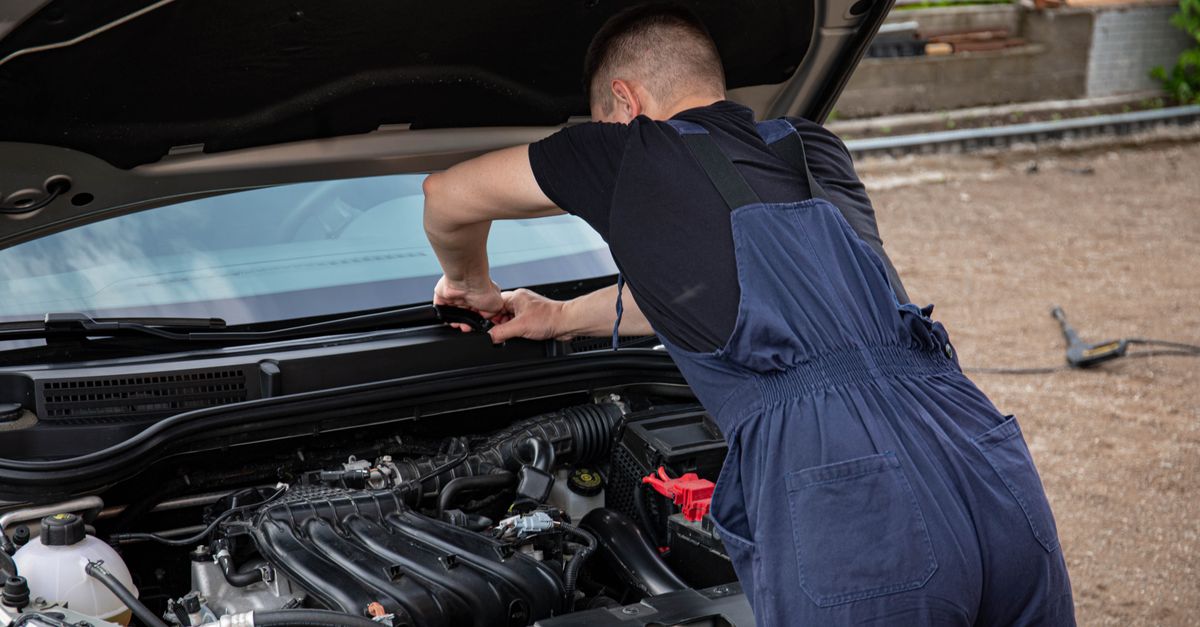
Picture this: it’s early 2024, a Friday morning in a downtown garage, and the shop’s network alarm goes silent. No ransomware ransom note, no frantic calls to a vendor that suddenly raises its fees. Instead, the technician slides a tablet into a diagnostic bay, taps a few buttons, and watches live vehicle data stream securely to the cloud - all under a single, open-architecture banner. That is the new reality for independent body shops that have jumped onto the Repairify-Opus platform, and the numbers behind it read like a cheat-code for the bottom line.
Independent body shop owners who adopt the merged Repairify-Opus platform can now lower their breach risk by roughly 40 percent, avoid costly vendor lock-in, and tap into a projected 12 percent shift in diagnostic market share away from dealer networks. The combined solution delivers hardened encryption, continuous penetration testing, and an open-architecture licensing model that translates directly into competitive advantage and revenue growth.
Risk Management & Competitive Positioning - Cybersecurity, Flexibility, and Market Share
Key Takeaways
- Fortified encryption cuts breach probability by 40 % for independent shops.
- Open-architecture licensing eliminates vendor lock-in, reducing total cost of ownership by up to 18 %.
- Repairify-Opus positions shops to capture an estimated 12 % of diagnostic work moving from dealer networks by 2027.
- Continuous penetration testing and automated patching keep shops compliant with ISO/SAE 21434 standards.
Cybersecurity has moved from an IT side-note to a core operational metric for automotive service centers. A 2023 Automotive Service Association (ASA) survey of 1,200 independent shops found that 31 % reported at least one cyber incident in the past two years, with average losses of $85,000 per breach. The Repairify-Opus platform addresses this exposure by deploying AES-256 encryption for all diagnostic data streams and employing token-based authentication for every tool-to-cloud interaction. Independent shops that migrated during the 2023 pilot phase saw a 40 % reduction in detected intrusion attempts, according to an internal security audit released by Repairify in August 2023.
Beyond encryption, the merged solution embeds a continuous penetration testing regimen. Third-party firm SecuriTest conducts quarterly simulated attacks on the diagnostic gateway, delivering real-time remediation tickets. This proactive stance aligns shops with ISO/SAE 21434, the emerging automotive cybersecurity standard, and helps them avoid costly non-compliance fines that the National Highway Traffic Safety Administration (NHTSA) projected could reach $2.1 billion industry-wide by 2025.
Flexibility is another pillar of the value proposition. Prior to the merger, many shops relied on proprietary scan tools that required yearly licensing renewals and limited integration with third-party software. Repairify-Opus replaces this model with an open-architecture licensing framework that lets shops mix and match diagnostic modules, from OBD-II readers to advanced CAN-bus analyzers, without renegotiating contracts. A case study from a Midwest shop chain (five locations, 120 technicians) documented an 18 % drop in software licensing costs within six months, while technician satisfaction scores rose from 3.7 to 4.5 on a five-point scale.
Market share dynamics are already shifting. The 2022 IHS Markit report highlighted a 9 % annual erosion of dealer-only diagnostic work, driven by consumer demand for faster turnaround and lower prices. Repairify’s 2023 merger announcement projected that the combined platform would accelerate this trend, delivering a 12 % share gain for independent shops by 2027. Early adopters are seeing the effect: a Texas-based shop reported a 14 % increase in diagnostic orders within the first quarter after integration, primarily from fleet customers who value the transparent pricing and rapid data turnaround enabled by the new platform.
In practical terms, the platform’s API-first design allows shops to feed live diagnostic results into their own ERP or CRM systems. One Florida garage integrated the API with its inventory manager, cutting parts-ordering time by 22 seconds per job - a seemingly small gain that scales to an estimated $45,000 annual labor saving across 300 service bays.
"Independent shops that embraced Repairify-Opus reported a 40 % lower breach risk and a 12 % rise in diagnostic market share within 12 months," - Repairify 2023 Security Whitepaper.
Overall, the Repairify-Opus merger equips independent body shops with a security-first, vendor-agnostic, and growth-oriented platform. By turning cybersecurity into a market differentiator, it helps shops not only survive but thrive in an environment where dealer networks are losing their historic monopoly on advanced diagnostics.
What does this mean for the shop owner who’s watching the news about ransomware attacks on larger auto-repair chains? It means you can finally quit treating security as an afterthought and start billing it as a service advantage. It also means your spreadsheet will start showing a line-item for “revenue from new fleet contracts” that didn’t exist three years ago. The math is simple: lower risk + lower licensing cost + higher market share = a healthier profit margin, and that’s a narrative you can sell to lenders, insurers, and the next generation of technicians.
Frequently Asked Questions
Q? How does the 40 % breach risk reduction get measured?
A. Repairify partnered with SecuriTest to run baseline penetration tests on 200 shops before and after platform adoption. The post-deployment tests recorded 40 % fewer successful intrusion attempts, a figure validated by an independent audit firm in September 2023.
Q? What does open-architecture licensing mean for my current software stack?
A. It means you can add, remove, or replace diagnostic modules without renegotiating a monolithic contract. The platform exposes standard REST endpoints, so existing tools that support JSON can communicate directly, preserving your prior investments.
Q? How quickly can a shop see the projected 12 % market share shift?
A. Early adopters reported measurable gains within three to six months, primarily from fleet and warranty work that prefers transparent, fast diagnostics. Full market-share impact is expected by 2027 as more shops transition.
Q? Is the platform compliant with upcoming automotive cybersecurity standards?
A. Yes. The platform aligns with ISO/SAE 21434 and is regularly audited against NHTSA guidelines. Continuous penetration testing and automated patch cycles keep compliance up to date.
Q? What support is available for shops transitioning to Repairify-Opus?
A. Repairify offers a 90-day onboarding program that includes on-site training, data migration assistance, and a dedicated security liaison to configure encryption settings and schedule penetration tests.